



LRM - Leak Risk Manager
Identify, quantify, manage and minimise process gas leak risk
Capture > Measure > Manage
Corporate process integrity & environmental regulation compliance Leak Detection and Repair (LDAR) Software
Oil & Gas | PetroChemical | Oil Refinery | LNG | Landfill Gas | Bio Methane


Cross industry Leak Risk Management platform
LRM Captures, Measures and Manages compliance monitoring data generated by process integrity and environmental risk management and response plans across oil & gas production, petroleum refining and chemical manufacturing industries.
-
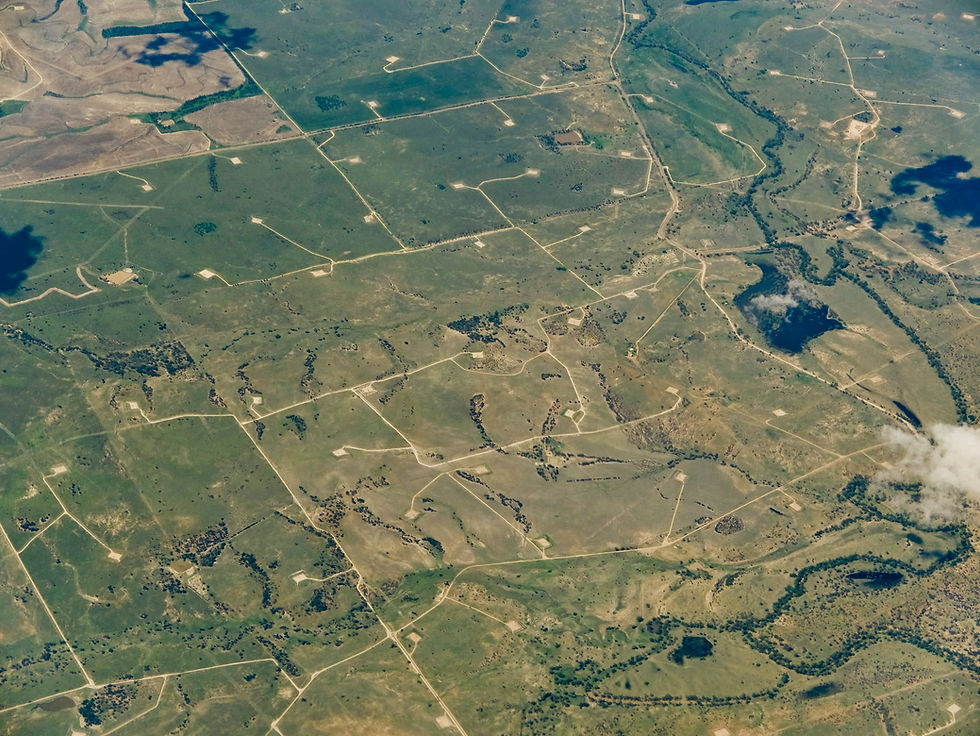
Coal Seam Gas Production
-
Conventional Gas Production
-
Fertiliser and industrial explosives Production
-
Oil Refinery and Petroleum Production
-
Landfill Gas Production
Visual leak risk management
Visualise leak risks in your plant via an intuitive and context rich 3-dimensional reality capture interface.
Perform intuitive visual trend analysis and change detection over time for each monitoring point through interactive comparative data (Graphs / Heatmaps / Photos / Videos)
Generate detailed work-pack reports that capture contextually rich data to prioritise and accelerate repairs.
LRM provides the visual context required to make informed asset management decisions.
Ensure everyone is "on the same page". Collaboratively view, interpret and communicate leak risk, priority and status.


Risk And Prioritization (RAPA) Trigger Action Response Plans (TARP)
LRM drives leak risk resolution by linking monitoring Trigger Action Response Plans (TARP) with Risk And Prioritization Assessment (RAPA) driven remedial action through a RAPA-TARP logic matrix.
LRM enables Asset Class or Asset Type specific monitoring methods, detection and quantification technologies, risk prioritisation, remediation and reporting protocols.
LRM applies policy driven trigger action response plans (TARP) criteria to drive cost effective, targeted remedial maintenance activity.
LRM logic includes decision trees that manage internal and external (regulator) notification criteria ensuring record keeping is aligned copmany policy and regulatory obligations.
LRM provides volumetric, mass flow and emissions leak rate quantification, trend tracking, and visual comparative change detection over time.
Convert management objectives into measurable leak risk reductions
Process plant owners and operators use a Risk And Prioritisation Assessment Trigger Action Response Plan (RAPA-TARP) matrix in LRM to define objectives and desired outcomes for their leak risk management programme.
The capture – measure – manage workflow within LRM convert these objectives into risk prioritized response actions that lead to real measurable and auditable leak risk reductions over time.
LRM is used to Capture - Measure and Manage Quantifiable reductions in leak risk through:
-
Manage and Reduce plant integrity risk from process gas leaks through;
-
Pre-Shutdown survey scope planning
-
Plant Start-up integrity verification, and
-
Baseline and follow-up process gas integrity surveys.
-
-
Manage statutory regulated leak monitoring activity.
-
Automate gas leak risk classification & reporting.
-
Enable risk based work selection (RBWS) and prioritised remediation.
-
Manage known leak risks until repair or T&I shuts.
-
Validate repairs.
-
Demonstrate regulatory and company policy compliance with 3 clicks.
-
Generate quality assured and auditable annualised emissions reporting data (OGMP2.0, NGERS, etc..)


Auditable and defensible records
LRM visually documents what is being monitored, where and why these points of interest are included in the monitoring work scope and what has been done in response to the leak risk
For every monitoring point, LRM displays monitoring parameters, monitoring frequencies, risk assessments, trigger thresholds, response actions, responsibilities, notifications and records of action.
LRM enables a scalable, repeatable, auditable, defensible leak risk management program
Simplified process integrity verification and regulatory compliance
LRM converts complex regulation into an intuitive easy to follow consolidated monitoring and risk assessment driven leak risk management workflow.
-
OGMP 2.0
-
NGERS
-
DCEEW
-
EPA
-
ISO 14001
-
API 622 / 624 / ISO 15848
LRM simplifies process integrity verification and regulatory compliance by consolidating compliance schedules, regulations, standards, codes of practice, policies and company-specific procedures into a simple Capture - Measure - Manage workflow.
Fugitive Emissions Reduction Programs
LRM is the foundation for a regulated fugitive emissions reduction program that demonstrates compliance with
-
Methane & hydrocarbon gas emissions regulations.
-
Volatile Organic Compound (VOC) gas emissions regulations
-
Co2 Equivalent emissions reporting requirements.


AIS Leak Risk Management workflow
LRM workflow logic
-
Capture:
-
Prioritized Asset monitoring,
-
Gas emission detection,
-
-
Measure:
-
Quantitative (measurable) and qualitative (visual) leak analysis and trending,
-
Leak risk assessment using site specific Risk And Priority Assessment )RAPA) criteria
-
-
Manage:
-
Threshold exceedance driven Trigger Action Response Plans (TARP)
-
Response action prioritisation,
-
SAP Notification & Work order links
-
Root cause analysis data.
-
Repair & leak resolution validation data
-
Regulatory & compliance reporting
-
Data sovereignty, access, security and ownership
LRM Data is securely separated, stored and replicated in Tier IV data centers located within Australia.
LRM data resides on an Australian-owned global platform with multiple domestic and international scrubbing centers that provide comprehensive, multi-layer mitigation, specifically favored by government for data sovereignty and DDOS protection.
LRM data is handled in accordance with Australian critical infrastructure, utility and resource sector asset sovereign data access requirements.
Asset owners and operators own all data in the LRM system and have 24/7 access to their data via encrypted secure logins.
